





Studio Monitors vs Hi-Fi Speakers
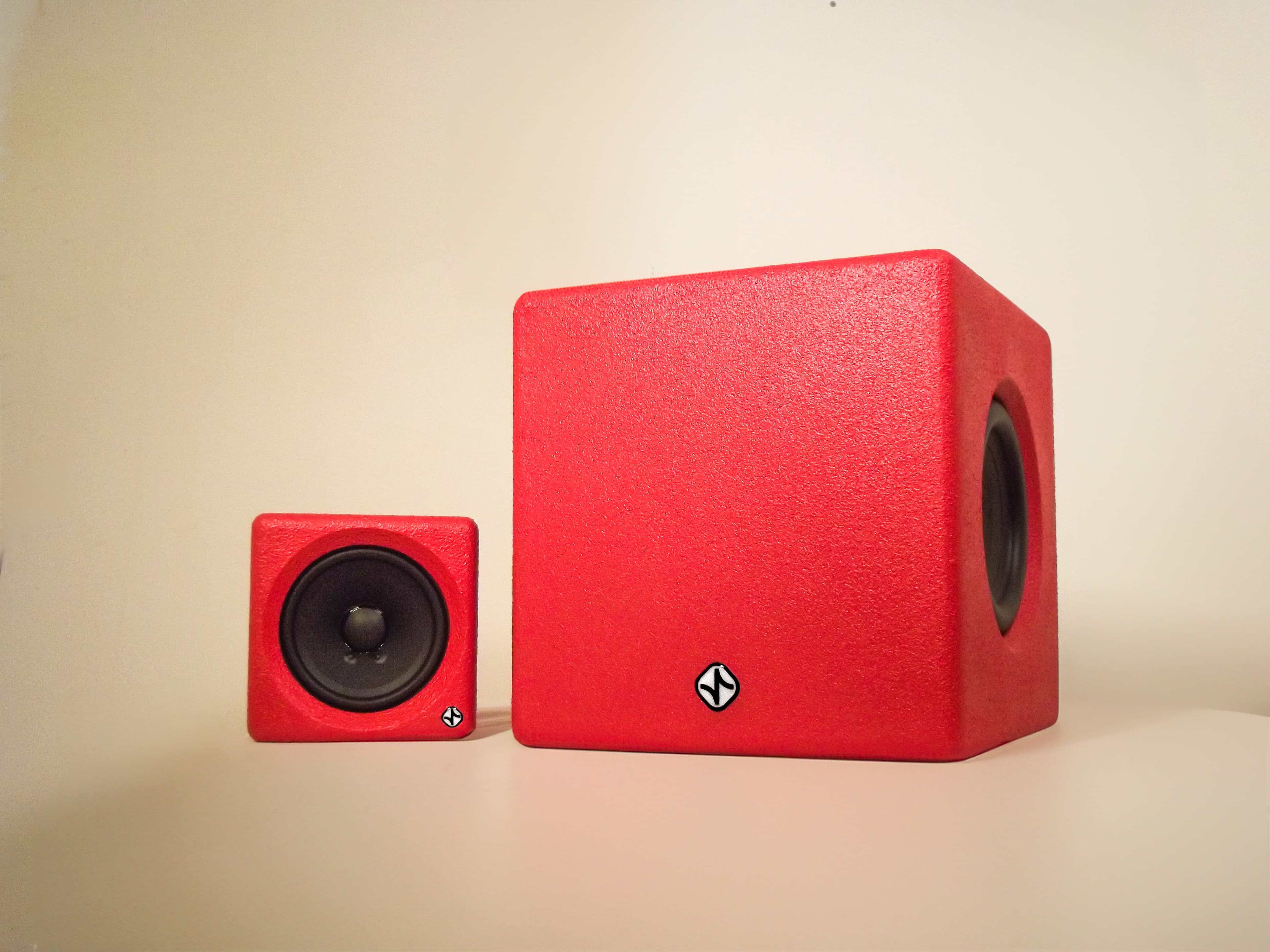
Studio monitors and hi-fi speakers are both loudspeakers, but they are designed for opposite goals. A studio monitor aims for accuracy, reproducing a recording as it is so problems are easy to hear and fix. A hi-fi speaker aims for enjoyment, often with a voicing that flatters most music. That difference shows up in frequency response, distortion behaviour, directivity and intended listening distance. Neither is better in the abstract. For mixing, editing and mastering, the monitor's honesty is essential. For relaxed listening, a hi-fi speaker's pleasing balance may be more satisfying. Problems arise mainly when one is used for the other's job.
Opposite Design Goals
The core difference is intent. A studio monitor is a reference instrument, built so that what you hear matches what is recorded. A hi-fi speaker is an enjoyment device, voiced so that music sounds good on it. Both are well engineered, but they optimise for different things, and almost every other difference follows from that.
- Voicing
- The deliberate tonal balance a speaker is tuned for. A monitor is voiced to be flat and neutral, while a hi-fi speaker is often voiced with a pleasing lift in the bass and treble.
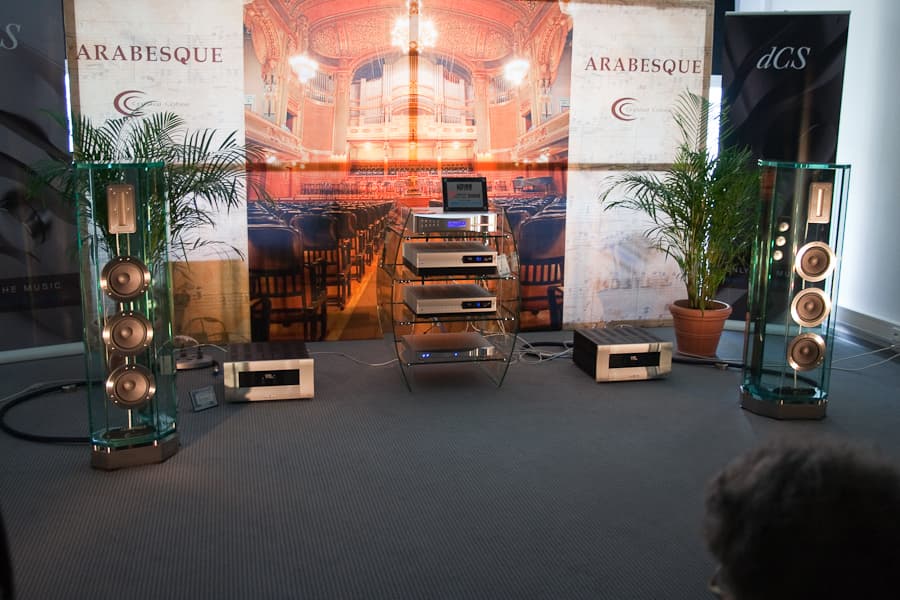
How They Differ in Practice
The differences are concrete and measurable rather than a matter of marketing.
| Studio monitor | Hi-fi speaker | |
|---|---|---|
| Primary goal | Accuracy and neutrality | Pleasing, engaging sound |
| Frequency response | Flat as possible | Often a lifted 'smile' curve |
| Reveals flaws | Yes, by design | Tends to smooth them over |
| Typical use | Mixing, editing, mastering | Relaxed listening |
| Amplification | Usually active, built in | Often passive with separate amp |
| Best listening distance | Often nearfield | Room-filling, further back |
A monitor's flat response and low distortion exist so you can trust what you hear. A hi-fi speaker's lifted bass and airy treble make a wide range of recordings sound full and exciting, which is satisfying for listening but misleading for mixing. The hi-fi speaker is doing its job well. That job is simply not the same job.
Which to Use, and When
For any production decision, use a monitor. Mixing on a speaker that flatters the sound leads you to undo low end and brightness the speaker is adding, so the mix turns out thin or dull elsewhere. The honesty of a monitor is exactly what makes its decisions hold up on other systems.
Hi-fi speakers still have a place in a studio context as one of several reference points. Checking a mix on a hi-fi system, a phone and a car shows how it survives real-world playback. The aim is not to mix on the hi-fi speaker but to confirm that the decisions made on the monitor translate to the kinds of systems listeners actually use.
If you only have hi-fi speakers right now
Learn their colouration by referencing commercial tracks you know well, mix at a moderate level, and check often on headphones and other devices. It is not ideal, but disciplined referencing reduces the risk of baking in the speaker's voicing.
Do's and Don'ts
- ✓Mix and make production decisions on a monitor built for accuracy.
- ✓Use a hi-fi system or everyday device as one of several translation checks.
- ✓Learn any speaker's colouration by referencing tracks you know well.
- ✕Don't mix on hi-fi speakers voiced to flatter the sound.
- ✕Don't treat 'sounds good on my hi-fi' as proof a mix is finished.
- ✕Don't assume an expensive hi-fi speaker is accurate, because price isn't the goal.
Frequently Asked Questions
What's the main difference between a studio monitor and a hi-fi speaker?
The goal. A studio monitor is built for accuracy so you can hear a recording as it is, while a hi-fi speaker is voiced for enjoyment. Every other difference, including response and intended use, follows from that.
Can I mix on hi-fi speakers?
You can, but it's harder to get translatable results, because hi-fi speakers usually flatter the sound and lead you to compensate for colouration other systems don't share. If you must, reference commercial tracks heavily and check on multiple devices.
Can I use studio monitors for everyday listening?
Yes. They will sound more neutral and less hyped than hi-fi speakers, which many people enjoy. You just won't get the built-in bass and treble lift that some listeners expect from a hi-fi system.
Why do hi-fi speakers sound better at first?
Because they are voiced to please, often with lifted bass and treble that make most music sound full and exciting. A monitor's flat response can seem less impressive until you value the honesty it provides.
Do studio monitors have worse bass than hi-fi speakers?
Not worse, just less exaggerated. Monitors aim to reproduce bass at its true level, while many hi-fi speakers boost it. A monitor may also roll off earlier by design, trading deep extension for tighter, more accurate low end.
Should hi-fi speakers be part of my reference setup?
They can be a useful translation check alongside headphones, a phone and a car. Mix on the monitor, then confirm on a hi-fi system to see how the mix holds up on enjoyment-focused playback.
Are powered hi-fi speakers the same as active monitors?
Not quite. Both have built-in amplification, but a powered hi-fi speaker is still voiced for enjoyment, while an active monitor is voiced for accuracy. The amplification is a feature, not the defining difference.
Is the room less important with hi-fi speakers?
No. The room affects any speaker, especially in the bass. The difference is that a hi-fi speaker's voicing can mask room problems you would want to hear and address when mixing.
Conclusion
Studio monitors and hi-fi speakers are well-made tools for different jobs. The monitor's accuracy is what makes mixing decisions translate, while the hi-fi speaker's voicing is what makes listening enjoyable. Trouble comes from using one for the other's purpose, particularly mixing on a flattering speaker and then wondering why the result doesn't hold up elsewhere. Mix on a monitor, keep a hi-fi system or everyday device as a translation check, and let each speaker do the job it was designed for.
Glossary
- Studio monitor
- A loudspeaker built for accurate, neutral reproduction for production work.
- Hi-fi speaker
- A loudspeaker voiced for enjoyable listening, often with lifted bass and treble.
- Voicing
- The deliberate tonal balance a speaker is tuned for.
- Mix translation
- How well a mix made on one system holds up on others.
Sign up to hear more when we release something new


