




Active vs Passive Studio Monitors
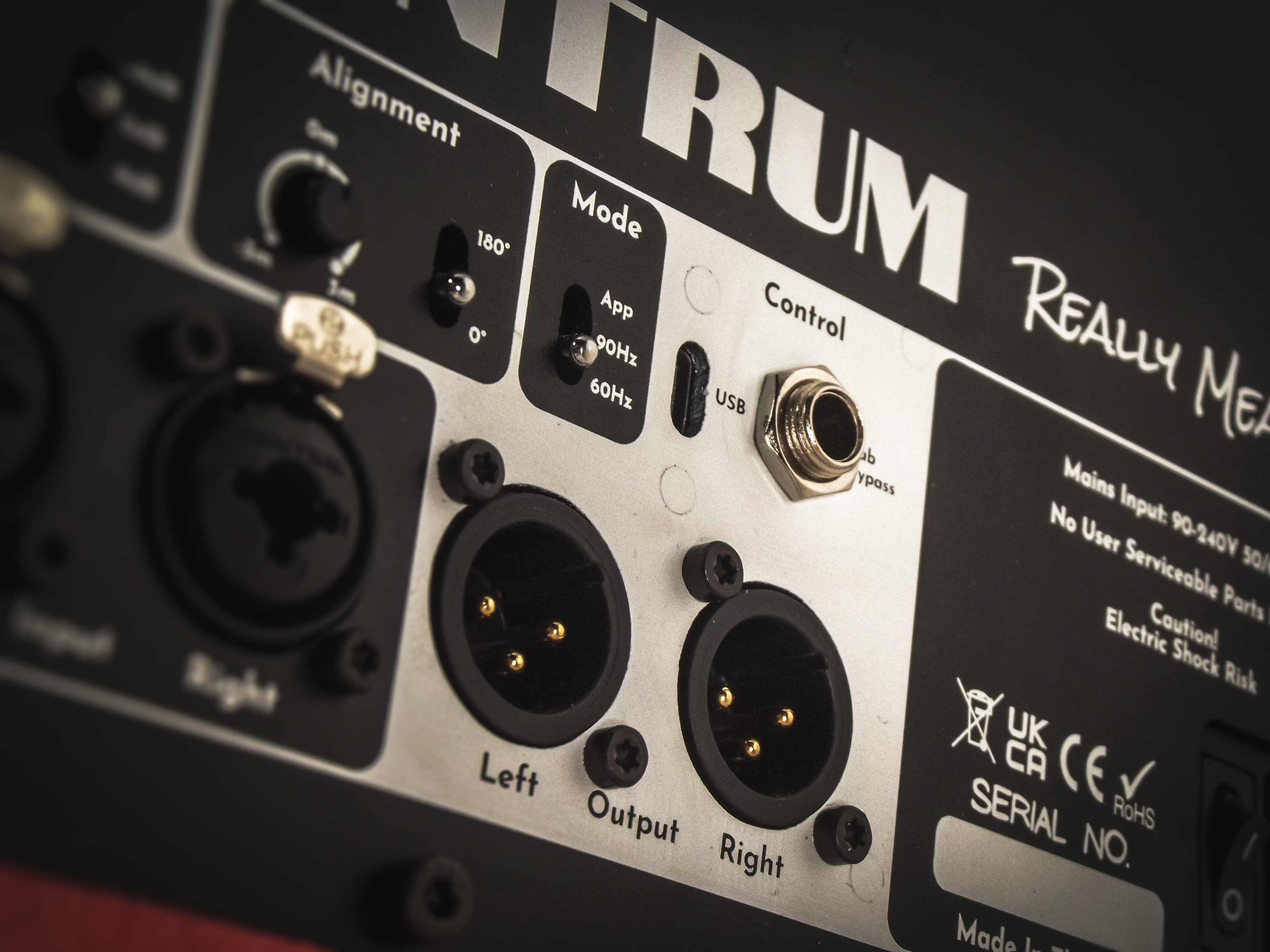
An active studio monitor has its amplifier (or amplifiers) built into the cabinet and matched to its drivers, and you feed it a line-level signal. A passive monitor has no internal amplification and needs a separate power amp chosen and matched by the user. The active approach lets the designer optimise the amp, crossover and any DSP for the specific drivers, which is why most modern monitors are active. Passive designs offer flexibility in amplifier choice and can simplify the cabinet, but they put the matching burden on the user. For most studios, active monitors are the simpler and more predictable choice.
What Active and Passive Mean
The distinction is about where the amplification lives and who matches it to the drivers. In an active monitor the designer does that work inside the cabinet. In a passive monitor the user supplies and matches a separate amplifier.
- Active monitor
- A monitor with built-in amplification matched to its drivers, fed a line-level signal. It often uses an active crossover and may include onboard DSP.
- Passive monitor
- A monitor with no internal amplification, requiring an external power amplifier. The crossover is usually a passive network after the amp, working at speaker level.
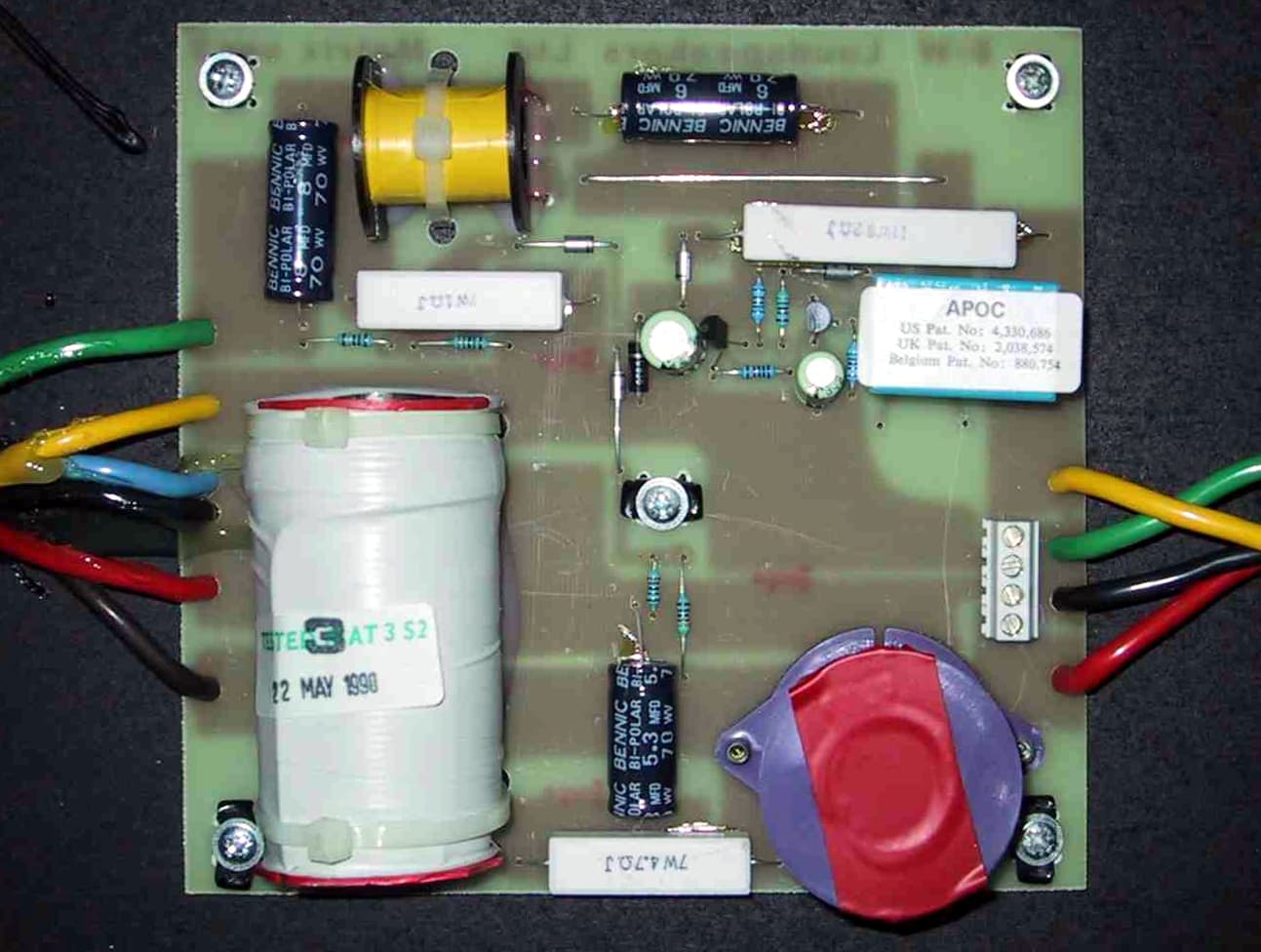
A related difference is where the crossover sits. A passive monitor filters the amplified, speaker-level signal with a passive network of components. An active monitor more often splits the signal at line level with an active crossover, then amplifies each band separately, an arrangement called bi-amping.
How They Compare
Each approach has genuine trade-offs, summarised below.
| Active | Passive | |
|---|---|---|
| Amplification | Built in, matched to drivers | External, chosen by user |
| Crossover | Often active, before amplification | Passive, after amplification |
| Driver and amp matching | Done by the designer | User's responsibility |
| Onboard DSP | Common | Rare (needs outboard) |
| Setup | Plug in a line-level signal | Add and match a power amp |
| Flexibility of amp choice | Limited | High |
Because the active designer controls the amplifier, crossover and drivers together, they can tune the system as a whole, protect the drivers, and add DSP for response or room correction. The passive owner gains freedom to choose an amplifier and to upgrade it independently, at the cost of having to match power and sensitivity correctly to avoid under- or over-driving the speakers.
Which to Choose
For most studios, particularly home and project setups, active monitors are the straightforward choice. They remove the matching guesswork, integrate DSP, and need only a line-level feed from an interface or controller. The result is predictable and compact.
Passive monitors make sense when you specifically want to choose or already own a particular amplifier, when servicing or upgrading the amp separately matters, or in established setups built around passive designs. The trade-off is the added responsibility of matching and an extra component in the chain.
Rules of Thumb
Frequently Asked Questions
What is the difference between active and passive monitors?
An active monitor has its amplifier built in and matched to its drivers, and takes a line-level signal. A passive monitor has no internal amplifier and needs a separate power amp that the user chooses and matches.
Are most studio monitors active or passive?
Most modern studio monitors are active. Building the amplification in lets the designer match it to the drivers, integrate DSP, and remove the matching burden from the user, which suits the majority of studios.
What is bi-amping?
Using a separate amplifier for each driver, fed by an active crossover that splits the signal at line level before amplification. Many active monitors bi-amp the woofer and tweeter, which allows precise control of each driver.
Do I need a separate amplifier for active monitors?
No. Active monitors have amplification built in, so you connect a line-level signal from your interface or monitor controller directly. Only passive monitors require a separate power amplifier.
Are active monitors better than passive ones?
For most studios, active monitors are simpler and more predictable, because the amp, crossover and drivers are matched by the designer and DSP can be integrated. Passive monitors offer amplifier flexibility, which matters in some setups.
Why do active monitors often include DSP?
Because the signal is handled at line level inside the cabinet, it's straightforward to add digital processing for response correction, driver protection, and room or boundary compensation before amplification.
Is a passive monitor with a great amp more accurate?
Not necessarily. Accuracy comes from the amp, crossover and drivers working together. A high-quality amp helps, but an active design that matches everything deliberately often gives more consistent results.
Which should I buy for a home studio?
Active monitors are usually the better fit for a home or project studio. They need only a line-level feed, remove matching guesswork, and often include useful DSP, all of which simplify getting accurate results in a smaller space.
Conclusion
Active and passive monitors differ in where the amplification lives and who matches it to the drivers. Active designs integrate and optimise the amp, crossover and DSP for predictable, compact results, which is why they dominate modern studios. Passive designs trade that integration for amplifier flexibility and independent upgrades, at the cost of user matching and an extra component. For most people, especially in home and project studios, an active monitor is the simpler path to accurate monitoring, and passive makes sense mainly when amplifier choice is a deliberate priority.
Glossary
- Active monitor
- A monitor with built-in amplification matched to its drivers, fed a line-level signal.
- Passive monitor
- A monitor with no internal amplifier, requiring an external power amp.
- Active crossover
- A crossover that splits the signal at line level before amplification.
- Bi-amping
- Using a separate amplifier for each driver, fed by an active crossover.
Sign up to hear more when we release something new


