



Best Studio Monitors for Electronic Music
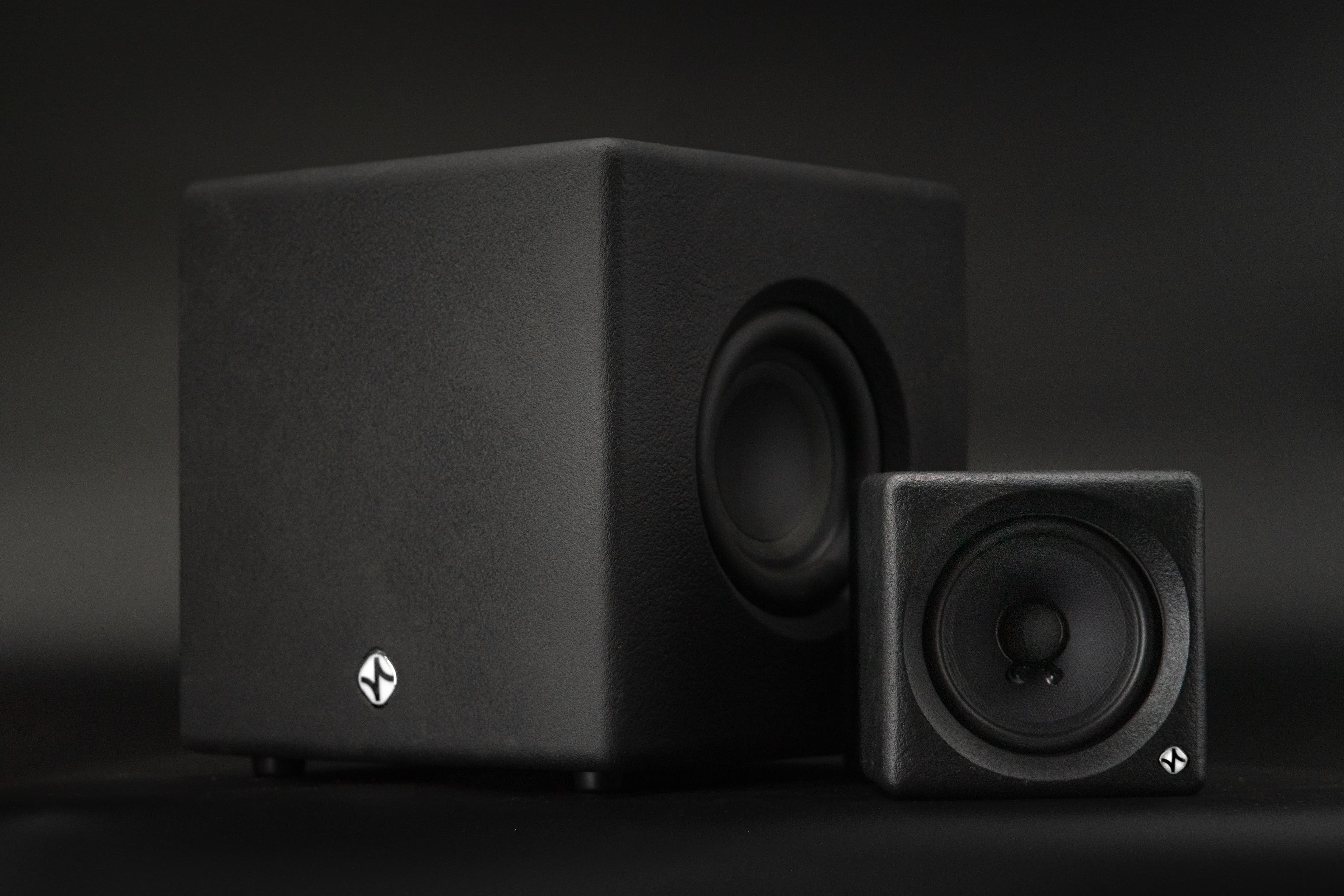
Electronic music concentrates more energy below 100 Hz than almost any other genre, and it is usually made in small rooms that handle that region worst. The monitor choice matters less than the room and the sub integration, but it still matters. What you want is a low end that stays defined rather than loud, output you can trust at the level you actually work at, and enough midrange honesty to stop the sound design hiding behind the bass. This guide covers the criteria, when a subwoofer earns its place, and how to check work you cannot fully hear.
What the Genre Actually Demands
The distinguishing feature of electronic music production is not that it is loud. It is that a large share of the musical information sits between 30 and 120 Hz, and that the sounds there are synthetic, so there is no acoustic reference telling you what they should weigh. A kick and a sub bass have to be balanced against each other by ear in the region where small rooms are least trustworthy.
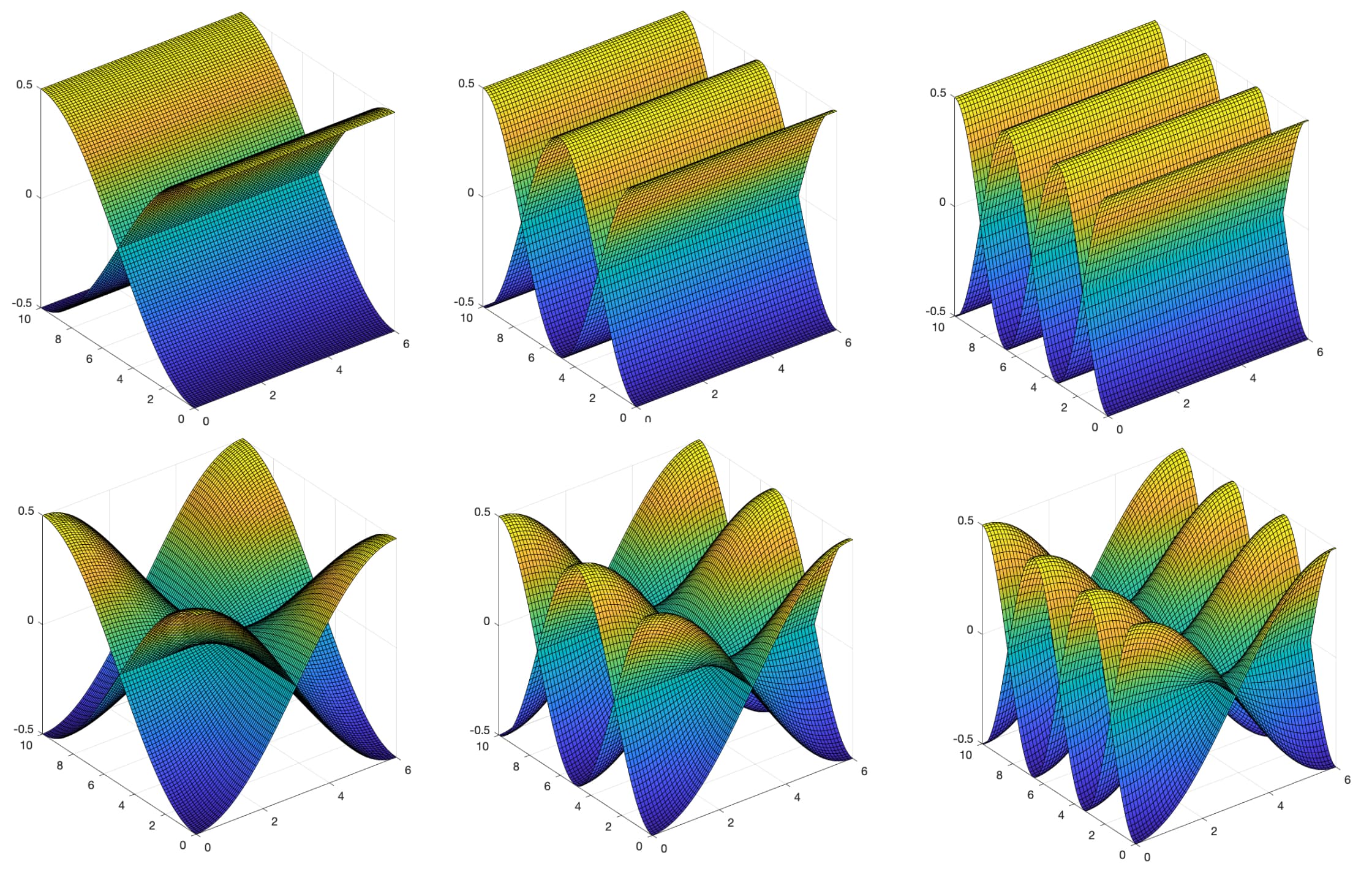
That region is where room modes live. A 50 Hz note has a wavelength near 7 metres, comparable to or larger than the room, so the room stops behaving like free space and sustains standing waves. At a pressure peak a note booms, and a metre away the same note nearly vanishes. Nothing about the monitor changes that.
The second demand is level discipline. Electronic music is mixed loud because it is meant to be played loud, and loud listening flattens your perception of the low end through the ear's own response. The monitor cannot fix that either, but choosing one with appropriate rather than maximum output makes it easier not to chase.
What to Look For
The useful criteria are narrower than the marketing suggests.
- Defined low end over deep low end. A sealed roll-off that stays time-accurate tells you more about a sub bass than a ported extension that rings.
- Honest midrange. Sound design lives between 300 Hz and 5 kHz, and a monitor that flatters that range will let a harsh synth through.
- Consistent off-axis behaviour, because you will be moving between a keyboard, a controller and the desk rather than sitting still in the sweet spot.
- Appropriate output for your room. A monitor that reaches 100 dB in a bedroom is specifying headroom you will not use.
- A usable crossover and level control if you intend to add a subwoofer, since sub integration is where most of the result comes from.
Model shapes worth shortlisting are much the same as for any small room. Ported two-ways from Yamaha, KRK, ADAM and JBL dominate the entry and mid bands, Genelec and Neumann the upper band, and the coaxial designs offer coherence at a price. What changes for electronic music is the weight you put on the subwoofer decision below.
The hyped low end trap
Monitors with a lifted low end feel right for electronic music in the shop and cause under-bassed masters, because you turn the bass down to compensate for a lift your listeners do not have. If you cannot audition in your own room, prefer the monitor with the more conservative low end.
When a Subwoofer Earns Its Place
Electronic music is the strongest case for a studio subwoofer, because the bottom octave carries real musical content rather than incidental weight. It is also the case where a badly set up subwoofer does the most damage, because you will make deliberate decisions based on what it tells you.
A subwoofer earns its place when three things are true. The room has some bass trapping, so the sub is not just exciting modes harder. The crossover is set so the sub and the monitors hand over cleanly, typically somewhere between 70 and 100 Hz depending on how low the mains reach. And the sub is time-aligned with the mains, so the two arrive together at the listening position rather than partially cancelling through the crossover region.
Without those three, adding a subwoofer increases the level in the region you already could not trust. That is not more information; it is more of the same error.
Checking Work You Cannot Fully Hear
In an untreated room you should assume you are wrong about the low end and build checks that do not depend on it.
- 1Check the mix in mono. Most club and PA systems sum the low end to mono, so a bass that relies on stereo width can disappear on the system it was made for.
- 2Check on a small speaker or a phone. If the track still reads as having a groove with no bottom octave at all, the arrangement is carrying it.
- 3Look at a spectrum analyser with a long average, and compare against a reference track you know plays well on big systems.
- 4Move your head. If the bass changes substantially over 30 cm, you are hearing a mode rather than the mix, and the seating position needs work before the monitors do.
- 5Measure the room. A measurement microphone and free analysis software will show you the peaks and nulls you have been mixing around.
Rules of Thumb
Frequently Asked Questions
Do I need a subwoofer to make electronic music?
No, but it is the genre where one is most justified. A sub only helps once the room has some bass trapping, the crossover is set sensibly and the sub is time-aligned with the mains. Without that it adds level to the region you already could not trust.
What crossover frequency should I use with a studio subwoofer?
Usually between 70 and 100 Hz, set just above where your main monitors stop being flat rather than at the lowest setting available. Verify it with a measurement rather than by ear, because the crossover region is exactly where phase errors hide.
Are ported or sealed monitors better for electronic music?
Sealed designs keep their timing and roll off gently, which usually makes sub bass easier to judge. Ported designs reach lower and add group delay near the tuning frequency. If the room is untreated, the sealed option is the safer one.
How loud should I monitor when mixing electronic music?
Low enough to hold a conversation for most of the session, with short loud checks. Your perception of the low end changes with level, so a mix balanced at high level will usually be bass-light when played quietly.
Why does my bass sound different in the car and the club?
Because your room is adding peaks and nulls below about 200 Hz that no other room shares, and because most large systems sum the low end to mono. Mono-checking and a reference track catch most of it.
Conclusion
For electronic music the monitor is the third most important thing, behind the room and the subwoofer integration. Buy a compact monitor with a controlled, honest low end rather than the deepest extension you can afford, add bass trapping before you add a subwoofer, and build checking habits that do not depend on the octave your room reproduces worst. The limitation worth stating: in an untreated small room, no combination of monitor and sub will make the bottom octave reliable, and the correct response to that is verification rather than a bigger speaker.
Sign up to hear more when we release something new


